
T-DRILL · Flanging
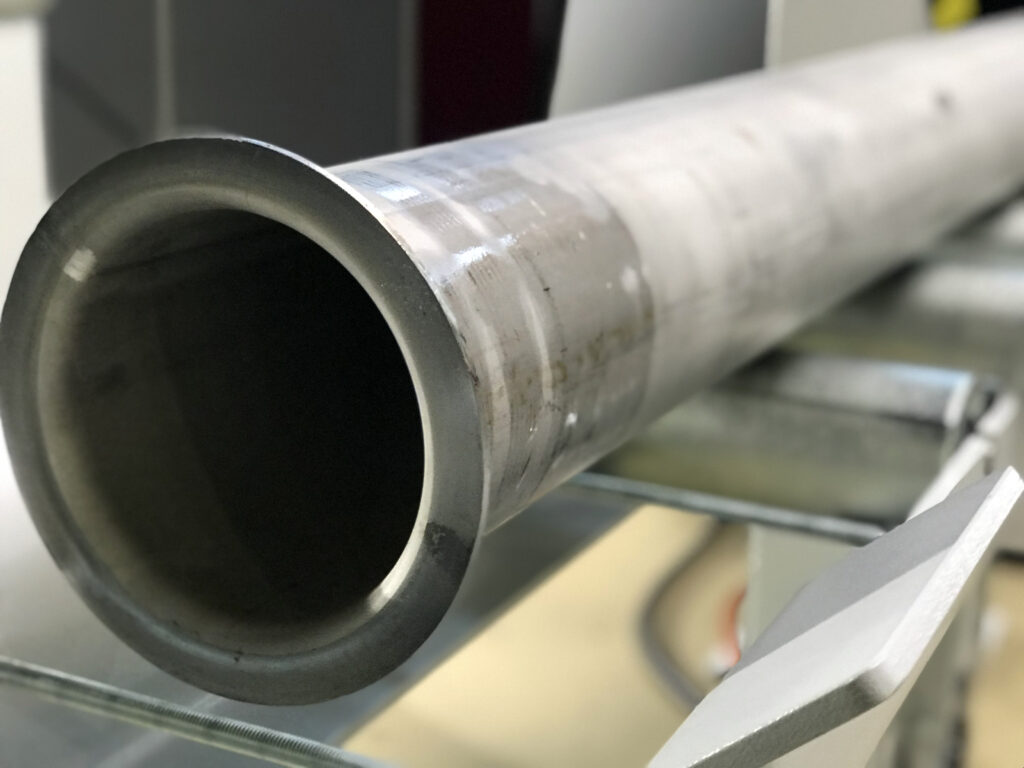
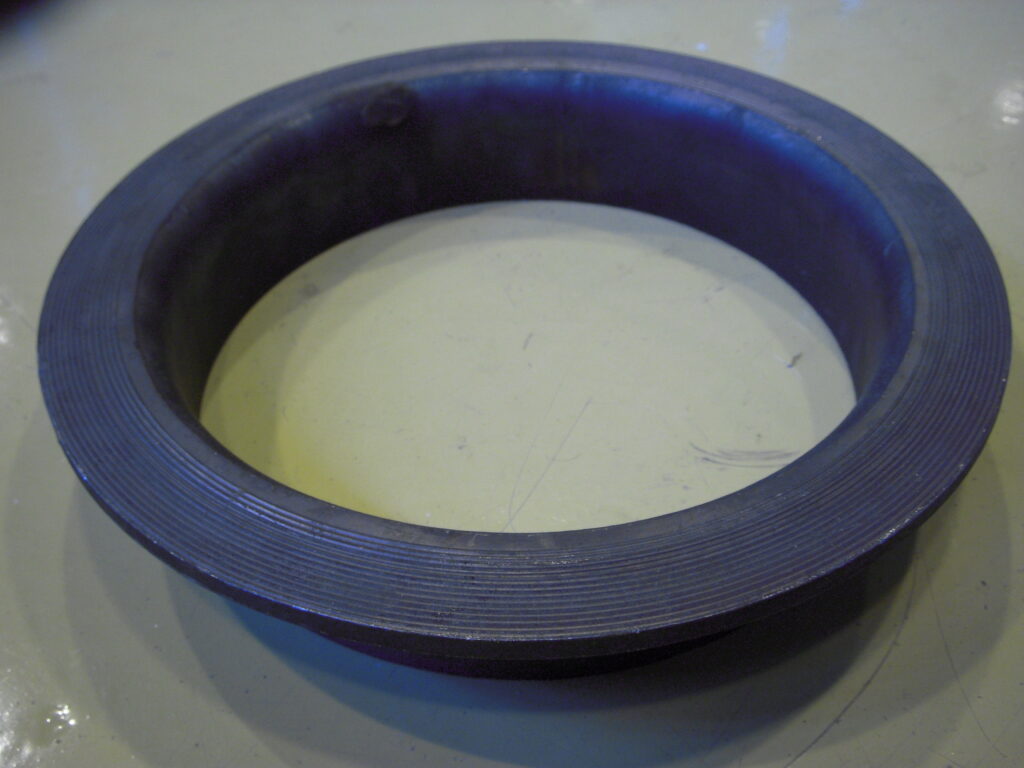
F-420eA flange formed from the tube end.
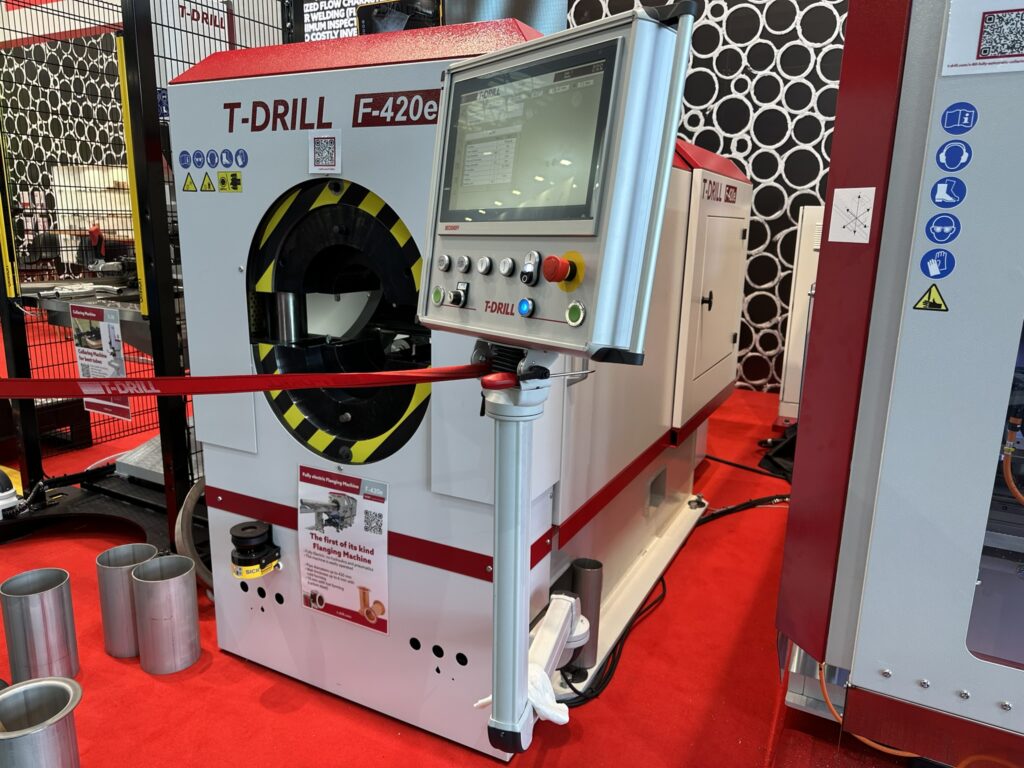
F-420e prepares the tube end for a joint with a loose backing flange. Electric servo drives and stored programmes support repeatable flanging. Cold or hot forming is selected for the material, diameter and wall thickness.
Selection, implementation and support in Poland — TARGA.
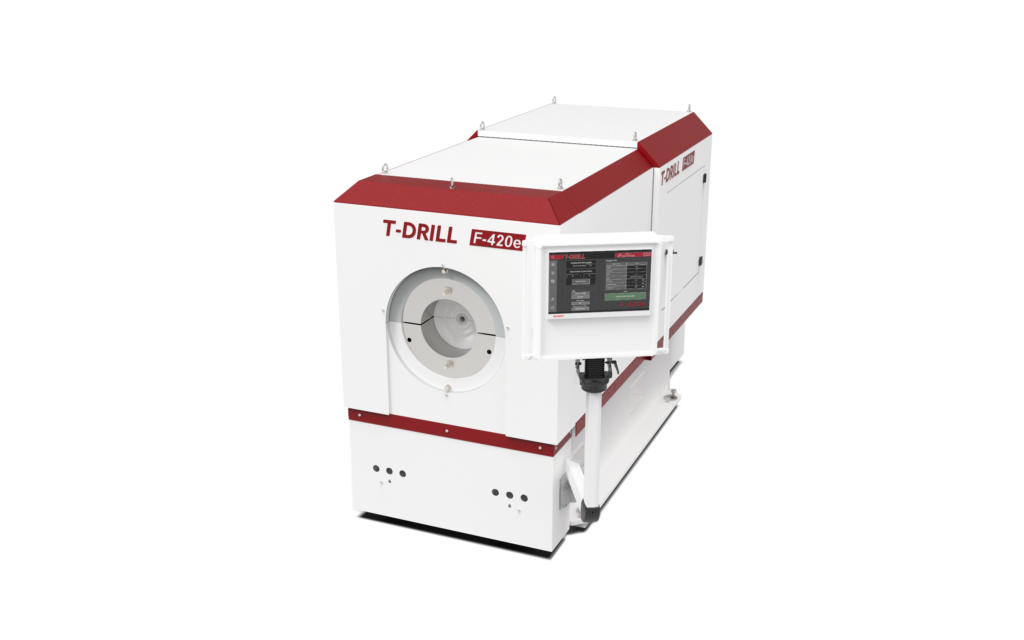
Ø21.3–419 mmTube outside diameter
Electric drivesNo hydraulics or pneumatics
Programmablerepeatable cycles
COLD / HOTProcess and equipment selected for the material
From workpiece to process
Prepare the tube end for a flange joint
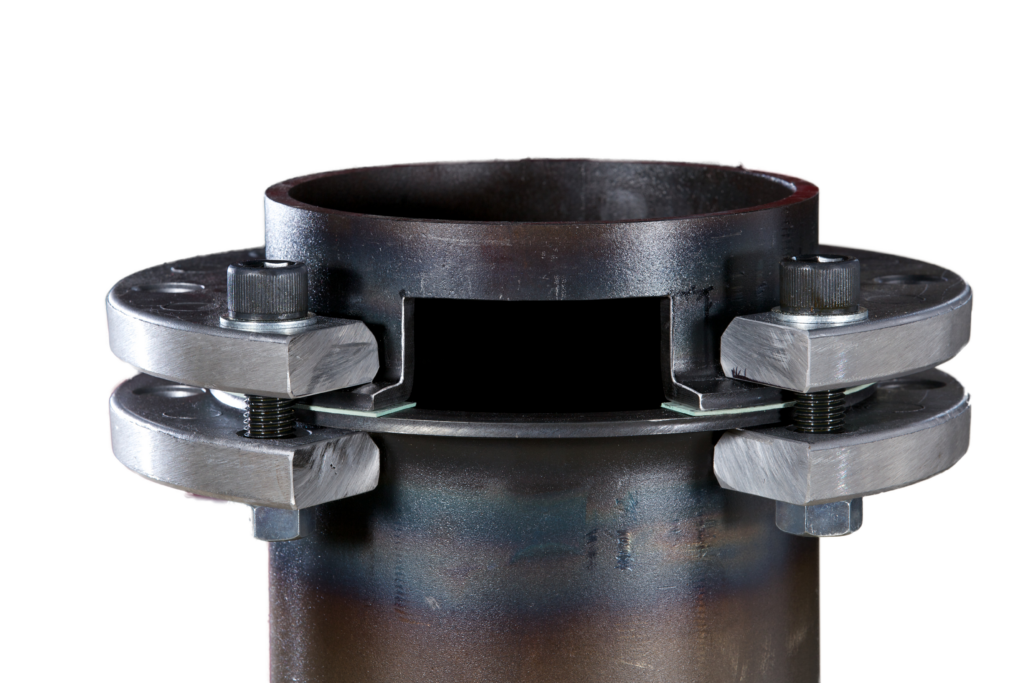
The flange is formed from the tube material. A loose backing flange, gasket and fasteners then complete the joint. Selection requires agreement on the flange profile and joint standard, taking account of changes to the material geometry during forming.
Stored programmes
Processing parameters can be saved for subsequent batches of similar parts.
The tube remains stationary
The complete workpiece does not rotate during the forming cycle. This helps assess applications involving bent tubes and branches.
Selection for the joint
Flange geometry and tools are specified from the tube, backing flange and required sealing face.
How does the process work?
Material and geometry
Check the grade, diameter, wall thickness, length and target flange.
Programme and tooling
Select cold forming or the equipment required for hot forming.
Flanging
Form the tube end according to the programme, then inspect the required dimensions and profile.
Working range
Specifications and selection conditions
| Tube diameter | Ø21.3–419 mm O.D. |
|---|---|
| Materials | Steel, stainless steel, aluminium, copper, CuNi |
| Wall — stainless steel | Up to 5 mm, excluding small tubes |
| Wall — carbon steel HOT | Up to 9 mm |
| Supply / power | 380–440 V; 50/60 Hz; 3 phase; 12 kW |
Configuration
Equipment selected for production
HOT processing requires separately selected induction heating. Tooling, clamps and supports are selected for diameter, wall thickness and workpiece geometry.
Machine and workpiece
Manufacturer resources
Brochures describe configurations from the stated edition. We confirm the offered scope for your workpiece.
Watch the equipment in operation
Manufacturer videos may show optional equipment. Playing a video connects to YouTube.
What do we need for selection?
Provide the material grade, diameter, wall thickness, flange drawing and backing flange and gasket standards.
Before you choose
Does the COLD version include hot forming as standard?
No. HOT processing requires a configuration with induction heating and cooling. Material, diameter, wall thickness and utilities are confirmed when selecting the system.
Does the 5 mm limit apply to every tube diameter?
No. It is the maximum value in the stainless steel table, excluding small tubes. We check the specific diameter and wall thickness combination in the capacity table.
Does the formed end replace the complete flange joint?
Flanging prepares the tube end. The joint still requires a suitable loose backing flange, gasket and fasteners.